The insight
People don’t look after nature because a poster tells them to. They act when care feels tied to who they are, where they belong and what people like them do.
That’s the behavioural foundation of the work.
Through research and local insight, we kept coming across a clear barrier: the sea and nature can feel exclusive. The language around it often assumes time, equipment, money, confidence or existing knowledge. However, many communities don’t interact much with the park even when they live close to it.
So the work couldn’t just say “come to the sea”. It had to make the sea feel like it was already part of people’s lives, even if they hadn’t thought of it that way before.
Not an aspirational holiday version of coastal living. Not a lecture about the environment. Something more real, and more Plymouth.
Our approach
The Plymouth Sound National Marine Park team already had a strong story. They just needed a clearer, more relatable way to articulate it.
We ran workshops to define how the park should sound and what it needed to say. The result was a brand narrative, tone of voice and messaging bank that could flex across different audiences without losing the thread.
It gave the team practical language for public engagement, partner conversations, schools, businesses and visitor communications. It also helped them talk about science and marine nature in a way that felt accessible rather than overly academic.
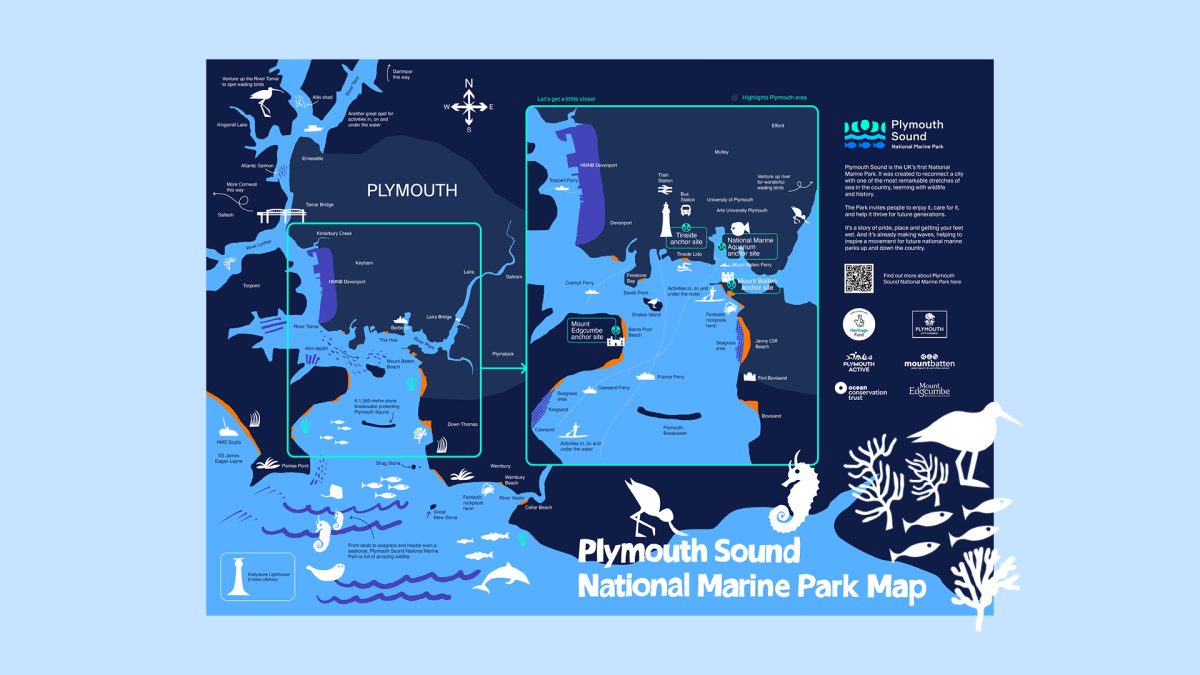
The website became the digital front door for that thinking. It needed to explain what the marine park is, show what’s happening, signpost to partner activity and help people find their own way in.
We designed user journeys from interest to action, with space for marine life, events, safe access, learning and practical ways to get involved.
Stay Salty
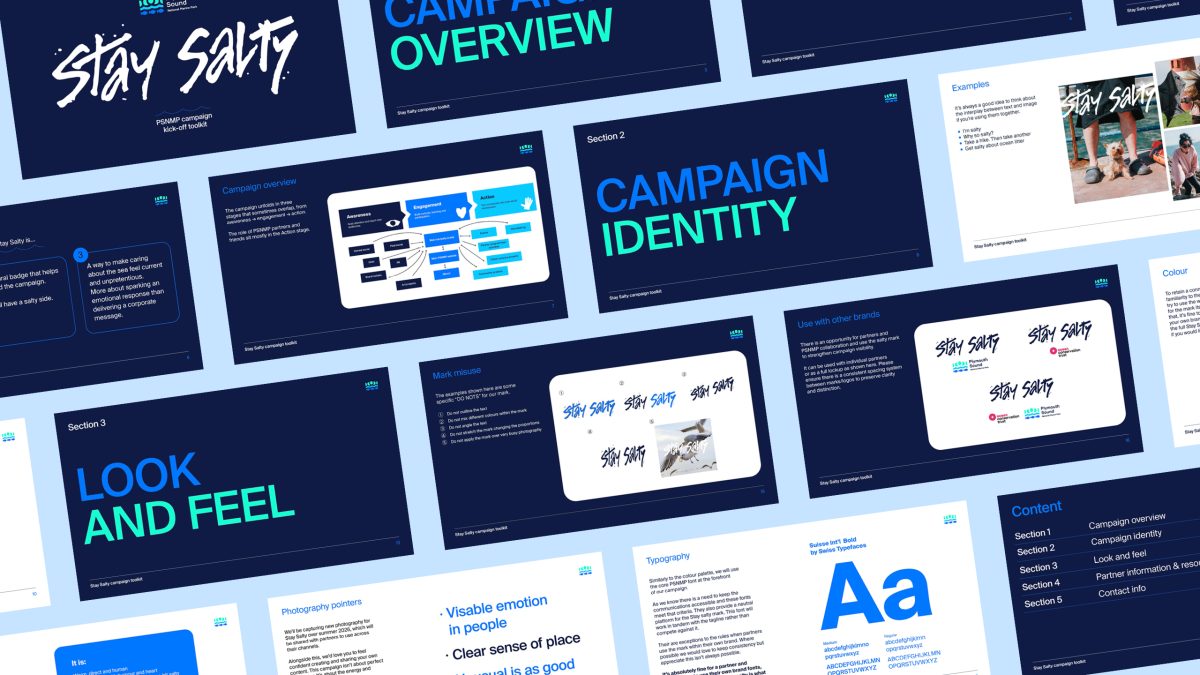
There was already a lot happening across the marine park and its partners. The campaign couldn’t become another thing fighting for attention. It needed to act as the glue that holds things together.
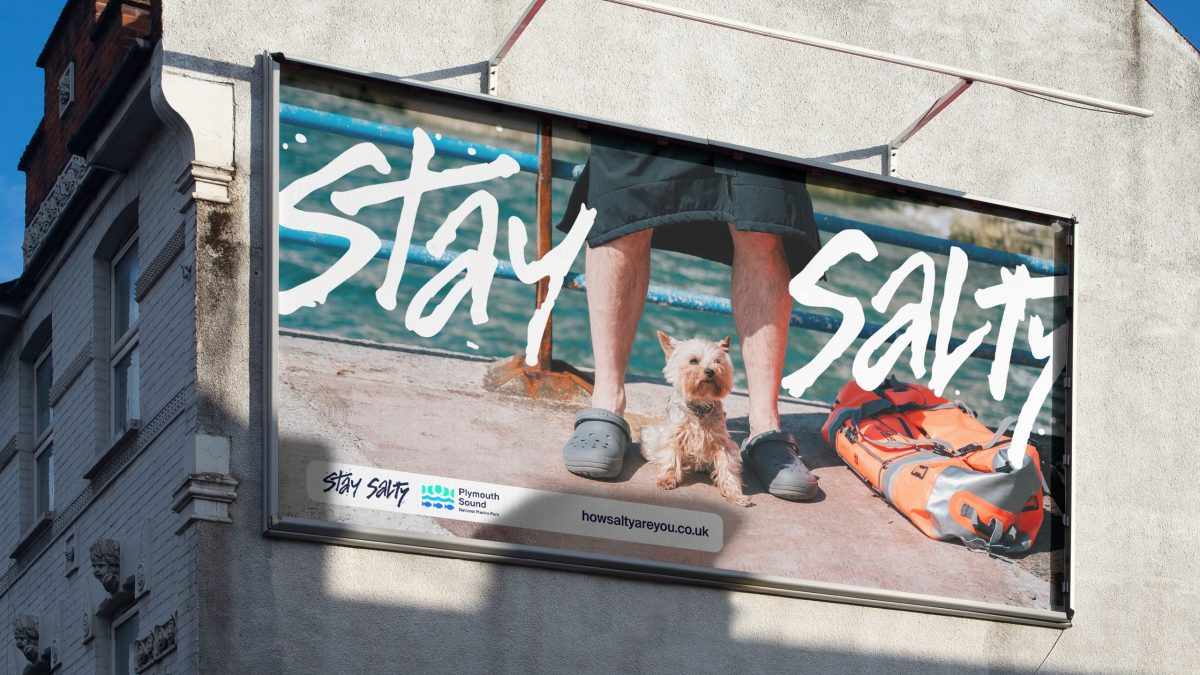
That’s where Stay Salty came from.
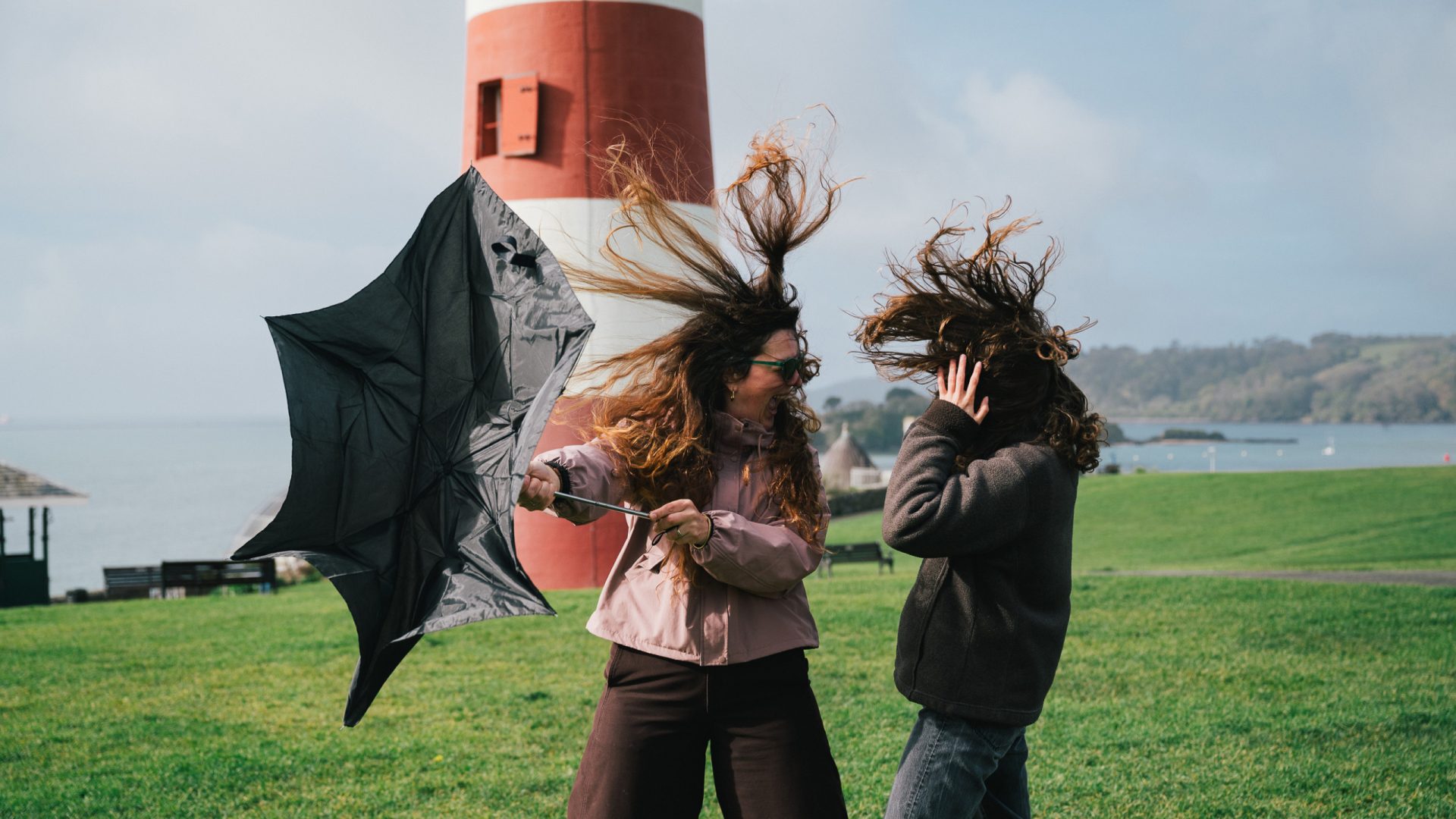
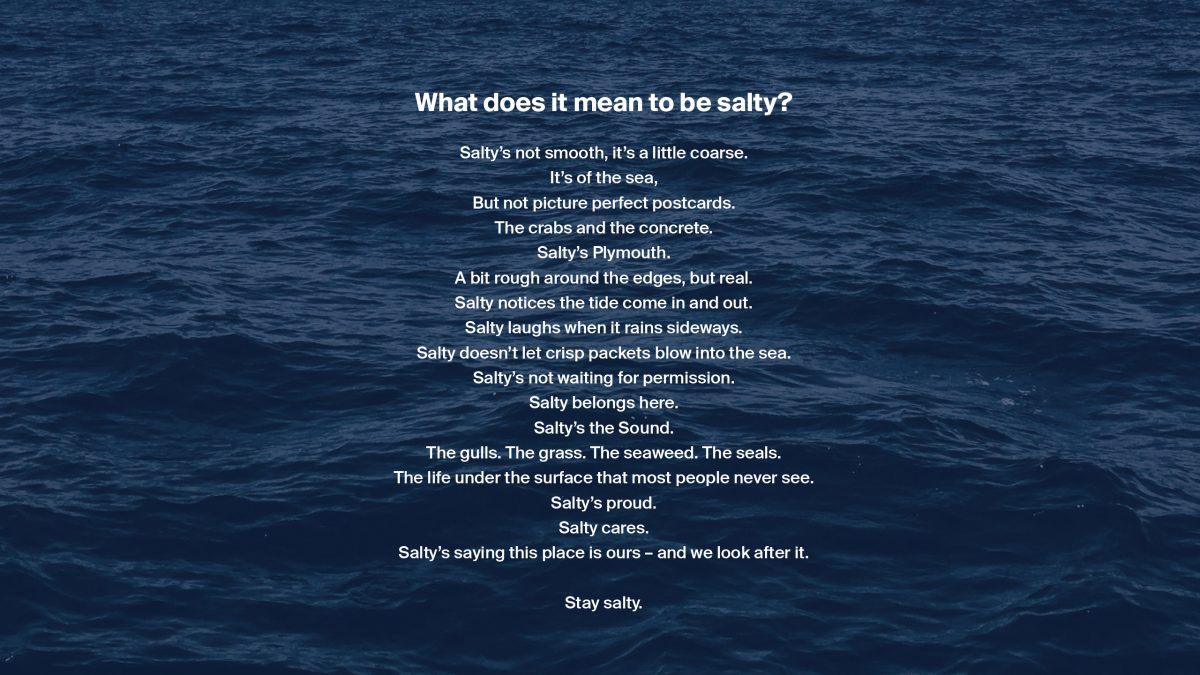
Saltwater and a bit of Janner attitude and humour. Rather than trying to smooth out all the creases, we leaned into them.
It works because that edge made it feel like Plymouth, not a campaign telling Plymouth what to be. We’re all a little salty, whether we know it yet or not.
In testing and stakeholder sessions, people got it quickly. It didn’t feel too worthy — it made people smile.
Stay Salty became a rallying call that could stretch across partner programmes, schools, volunteering, citizen science, outdoor media, social content and the website. A shared organising idea without making everything look or sound identical.

Participation possible
The campaign is designed to meet people where they are.
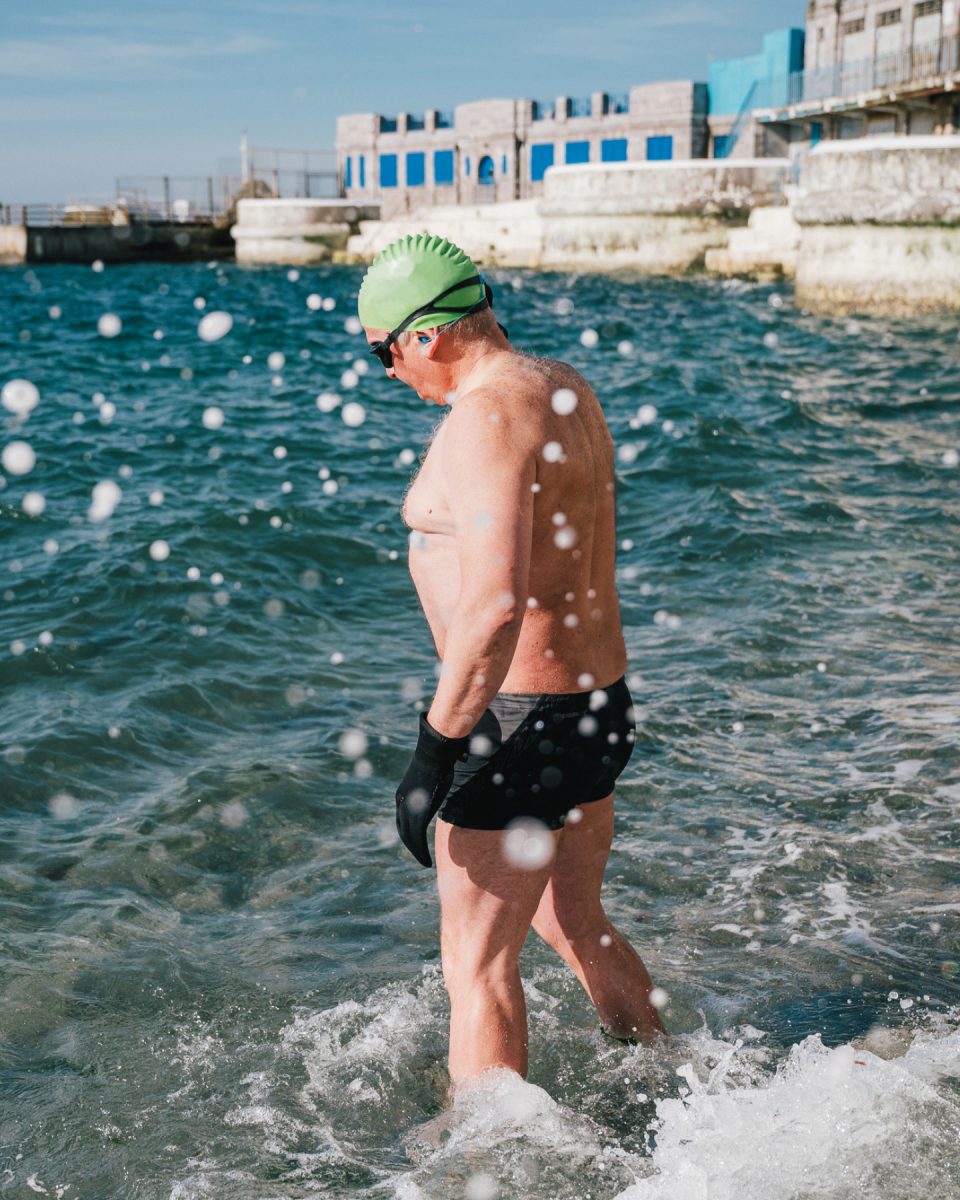
That might mean joining a beach clean, learning the name of a creature, taking a walk by the water, dipping a toe in, trying out citizen science, volunteering or just eating chips by the sea and noticing what’s around you. Not every action has to be heroic.
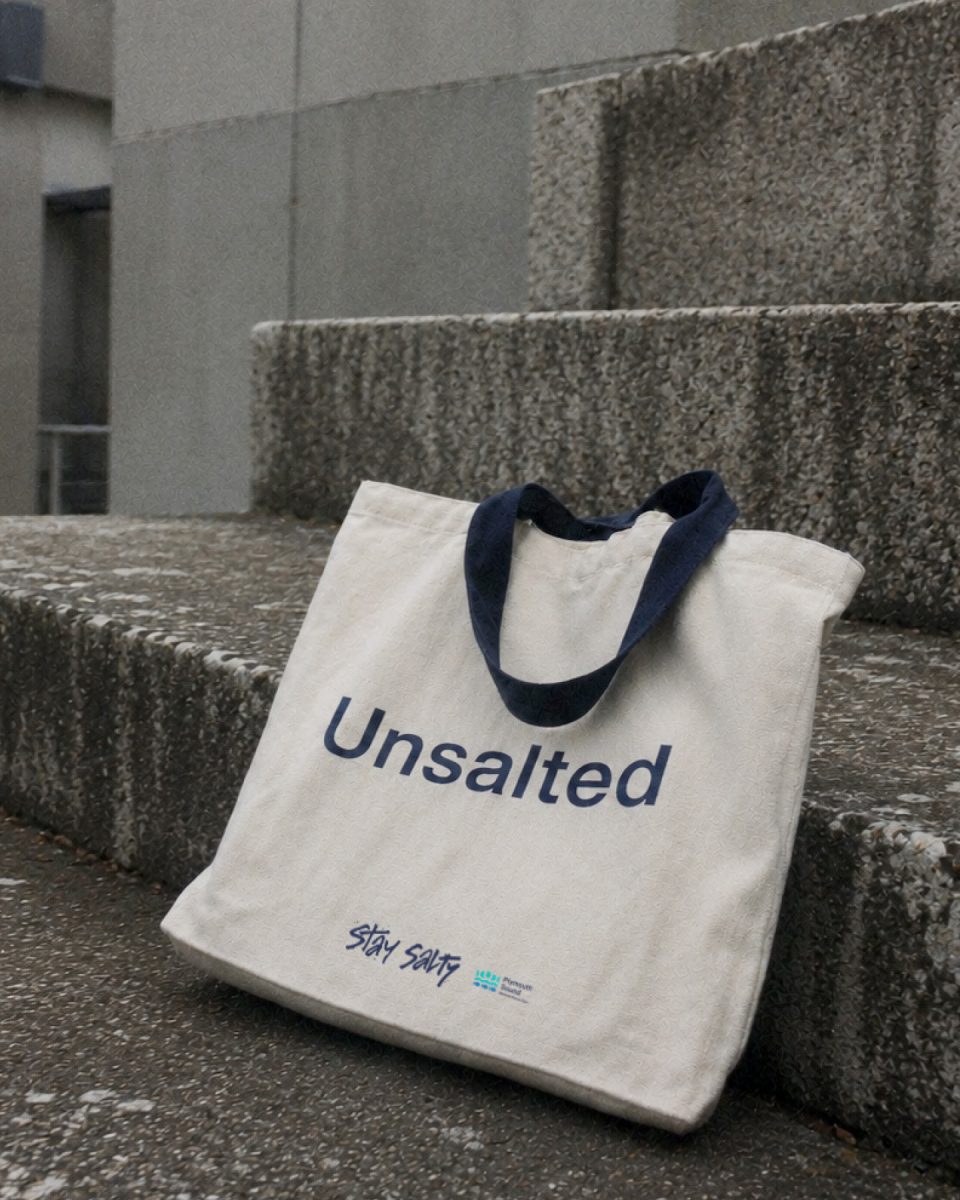
The campaign hub uses a playful “How salty are you?” structure to give people low-barrier ways in, from simple everyday actions to deeper involvement. From Unsalted — Lightly salted — Ready salted — Extra salty.
It’s behavioural design in plain clothes: start where people already are at, then make the next step feel natural.
The shift
Plymouth Sound National Marine Park now has a clear public identity, a unified voice, a practical messaging system, a digital platform and a campaign framework built to run over the next two years.
Partners have a way to connect their own activity to a bigger idea. The public has routes to take part. And the team has a system that can keep growing as the marine park does.
The longer-term change will be tracked through behaviour, engagement and attitudes as part of the wider evaluation with Miller Research.
Academics refer to it as marine citizenship. In everyday terms, it means people feeling that the Sound has something to do with them, and acting like it.