Building a movement
We started with the strategic foundations;
- Get everybody on the same page with a narrative that is clear and easy to understand
- Make the story easy to share and carry forward
- Create the conditions for people and organisations to move from supporter to advocates
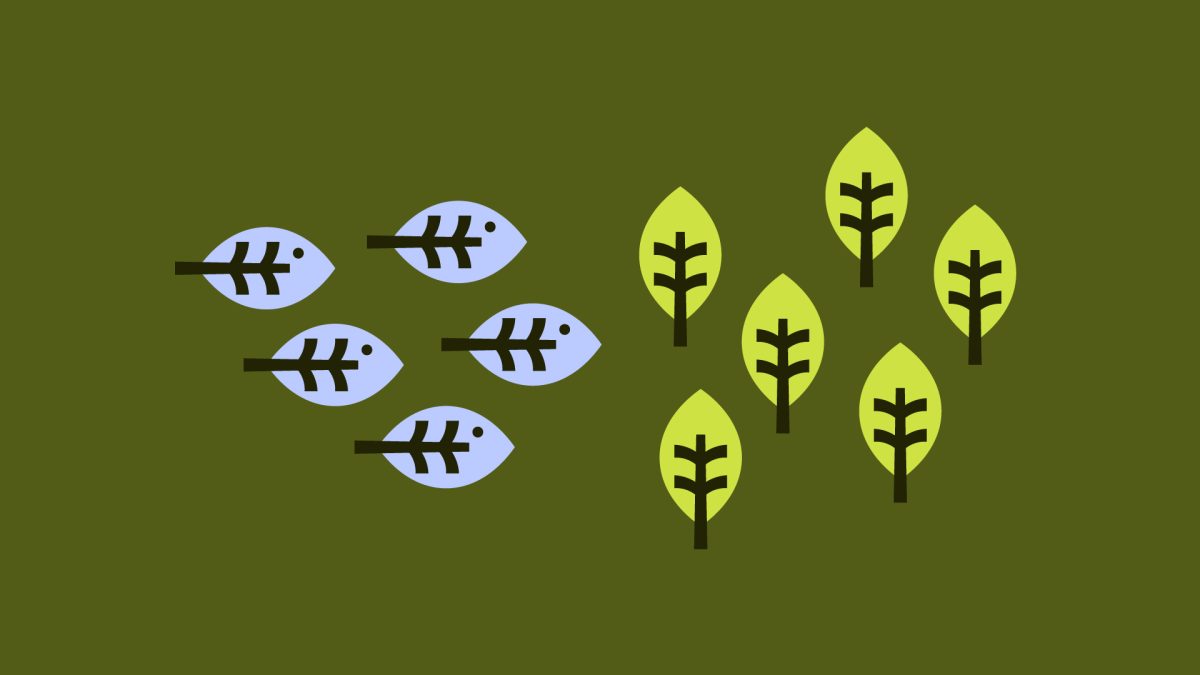
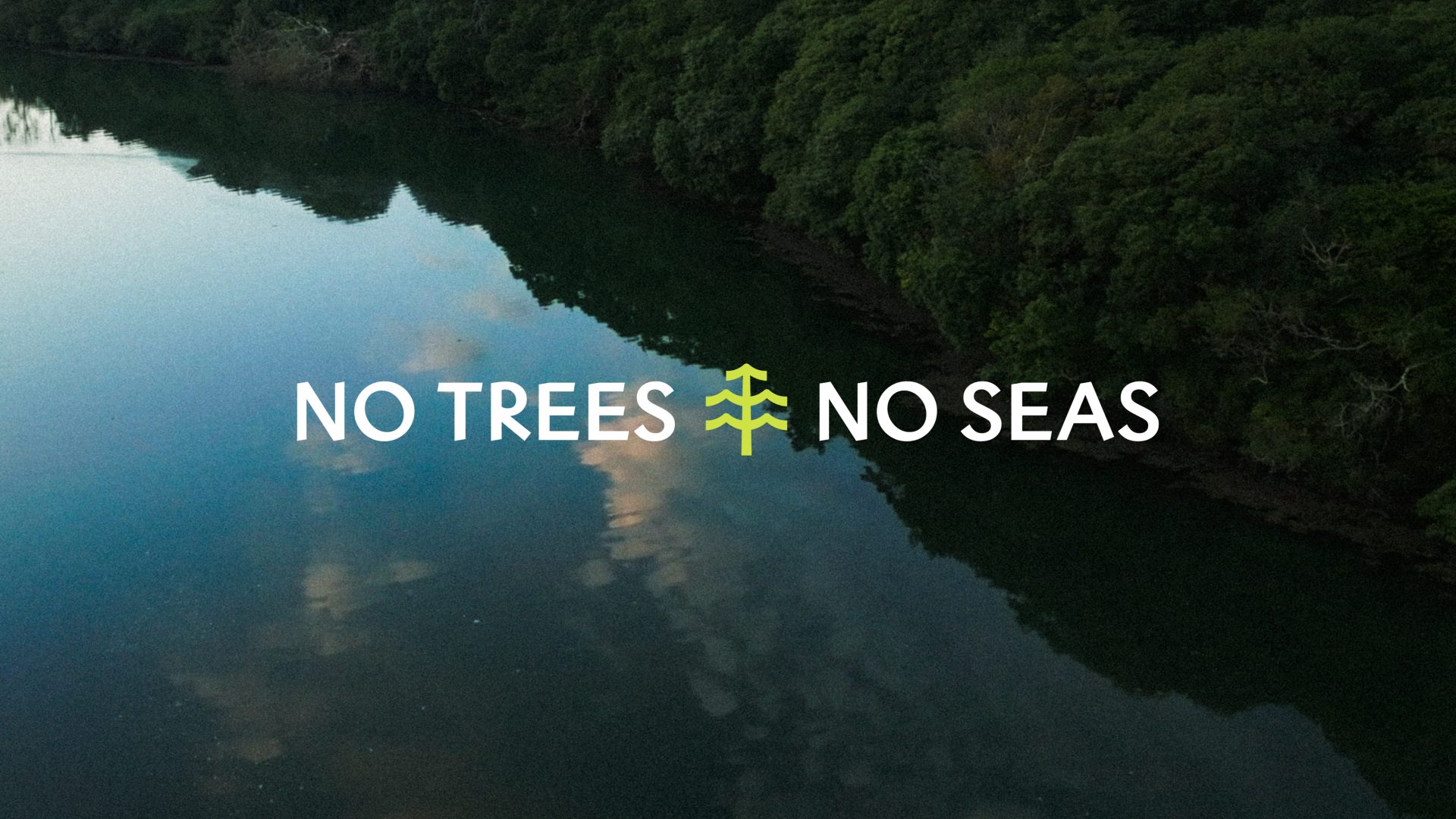
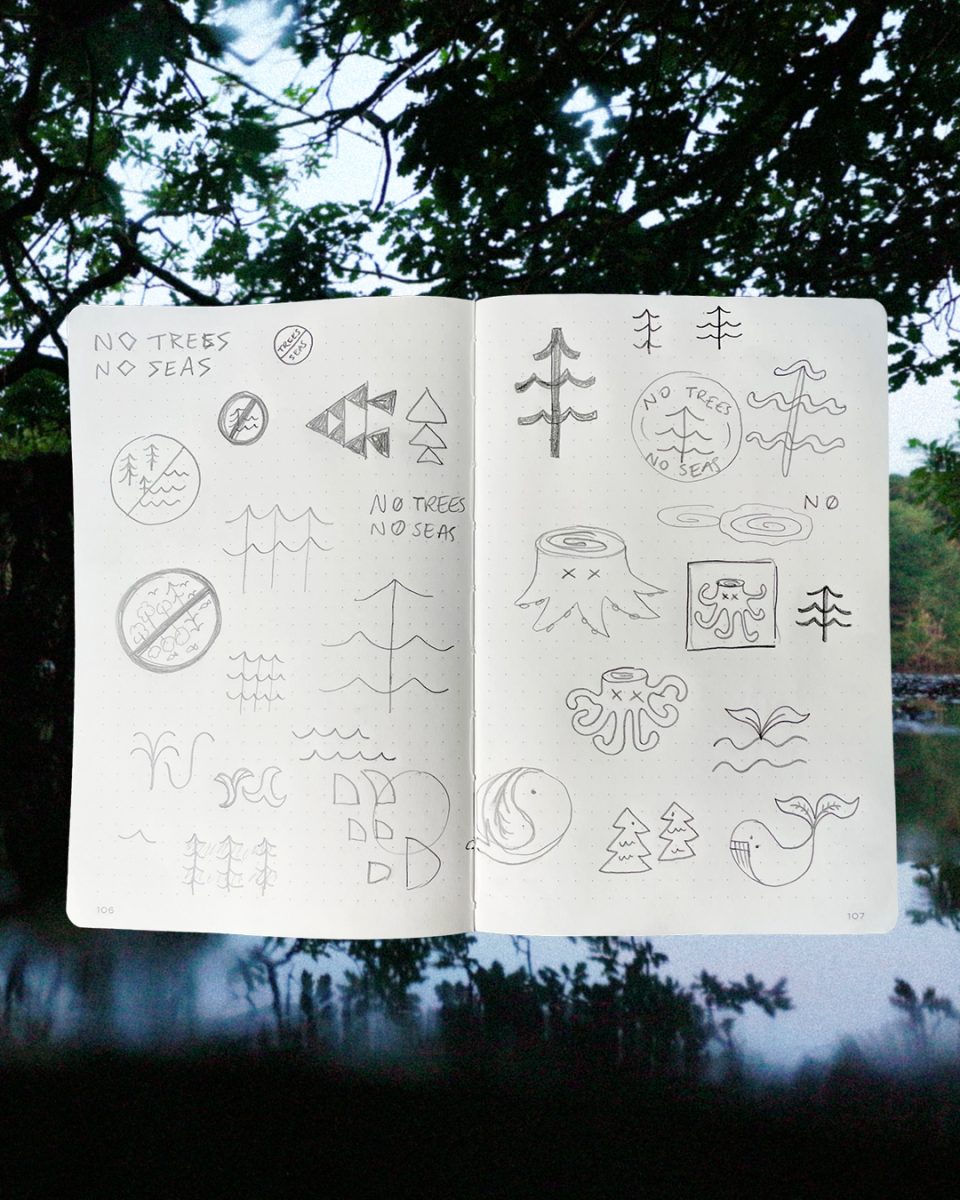
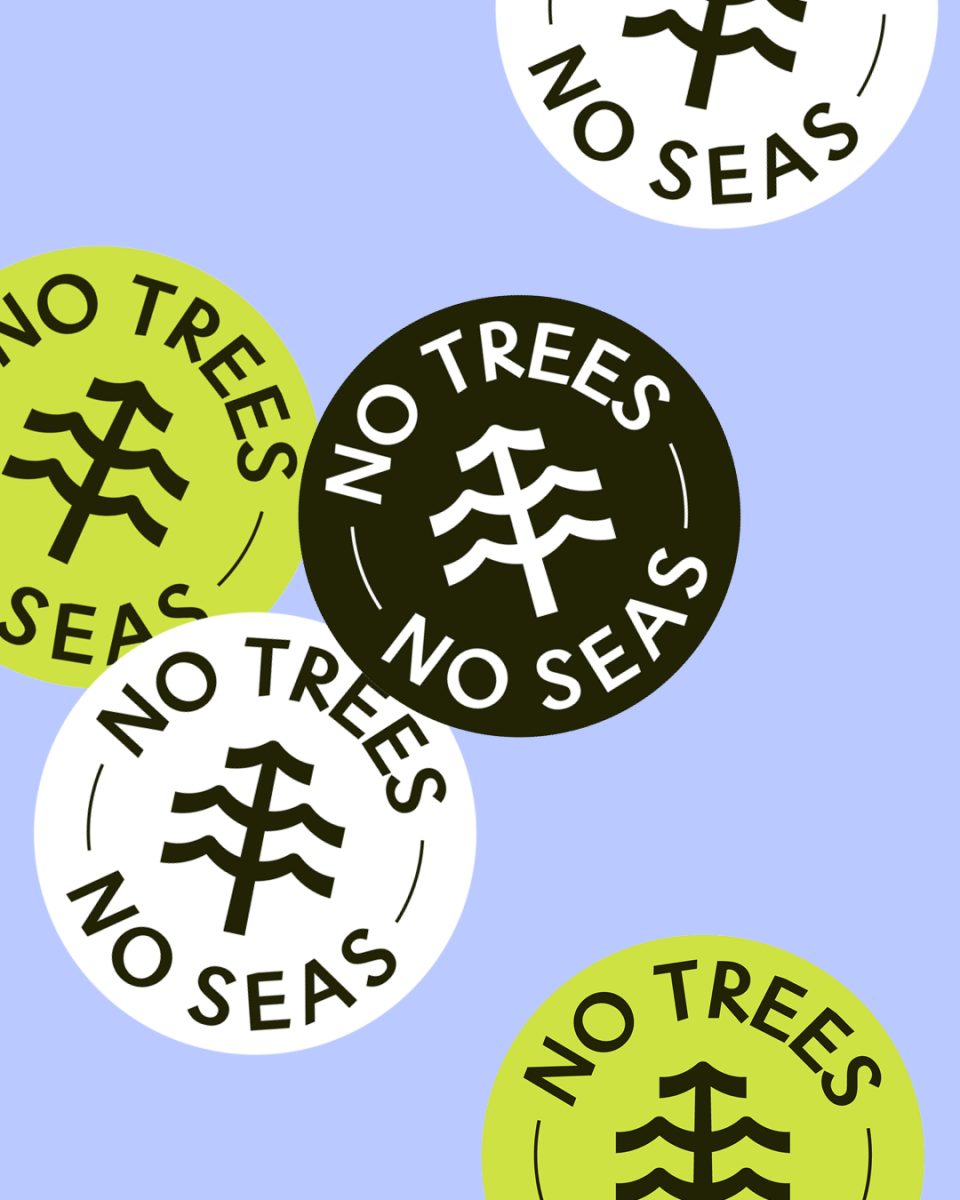
We developed a full brand identity including a symbol designed to be drawn, shared and reused.
Then built the tools around it:
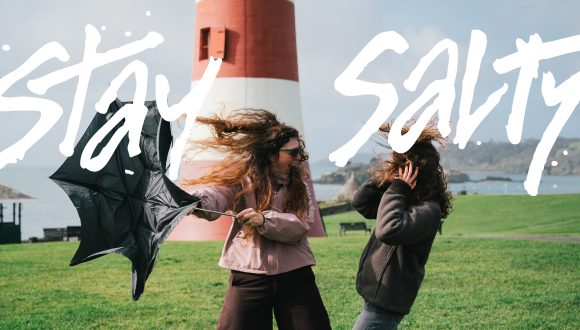
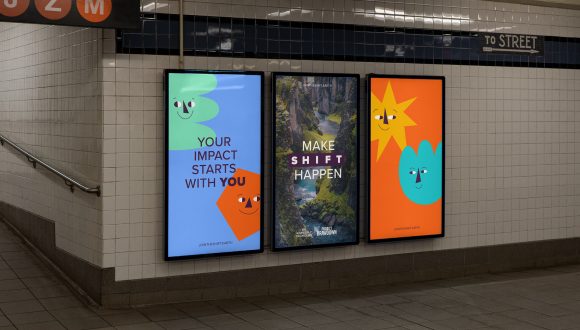
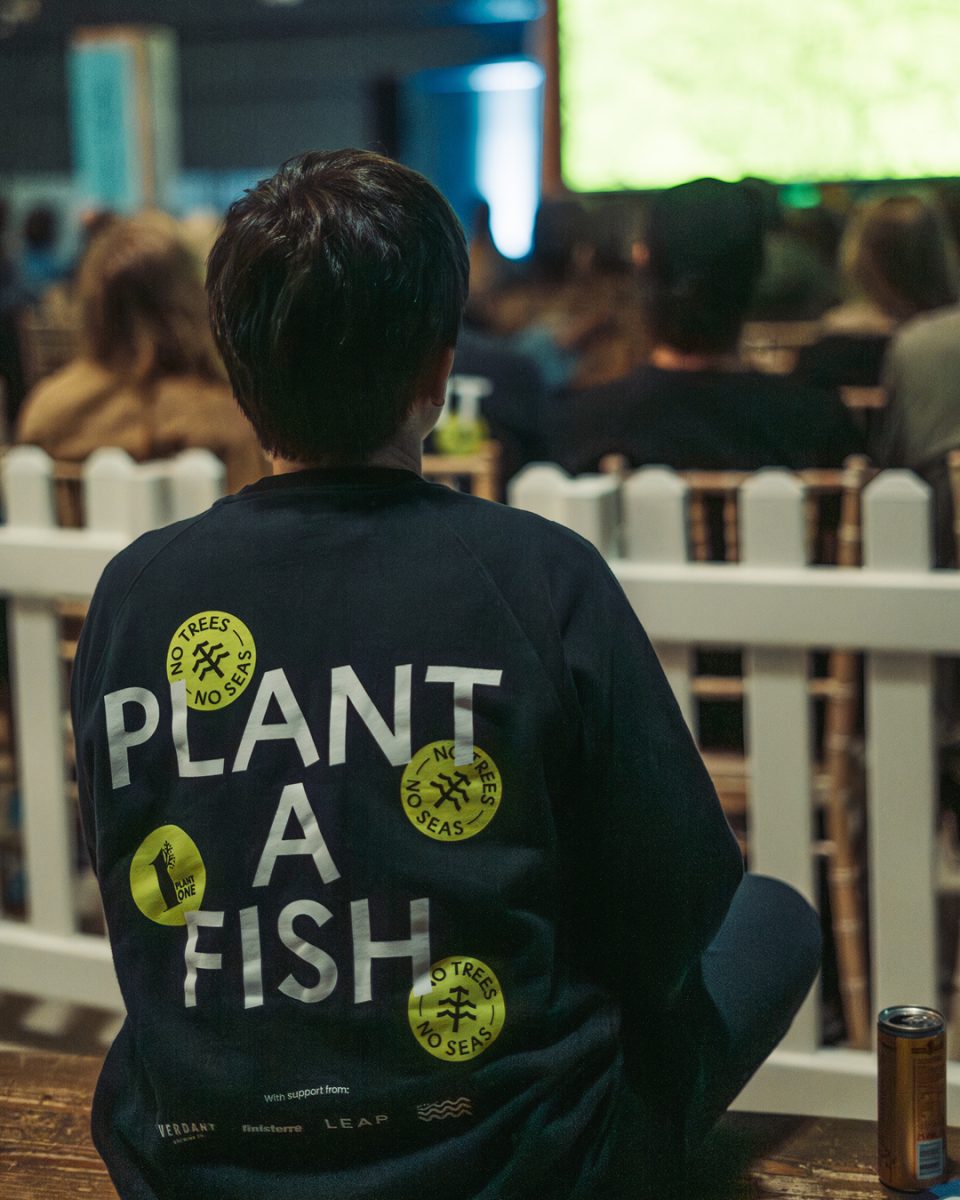
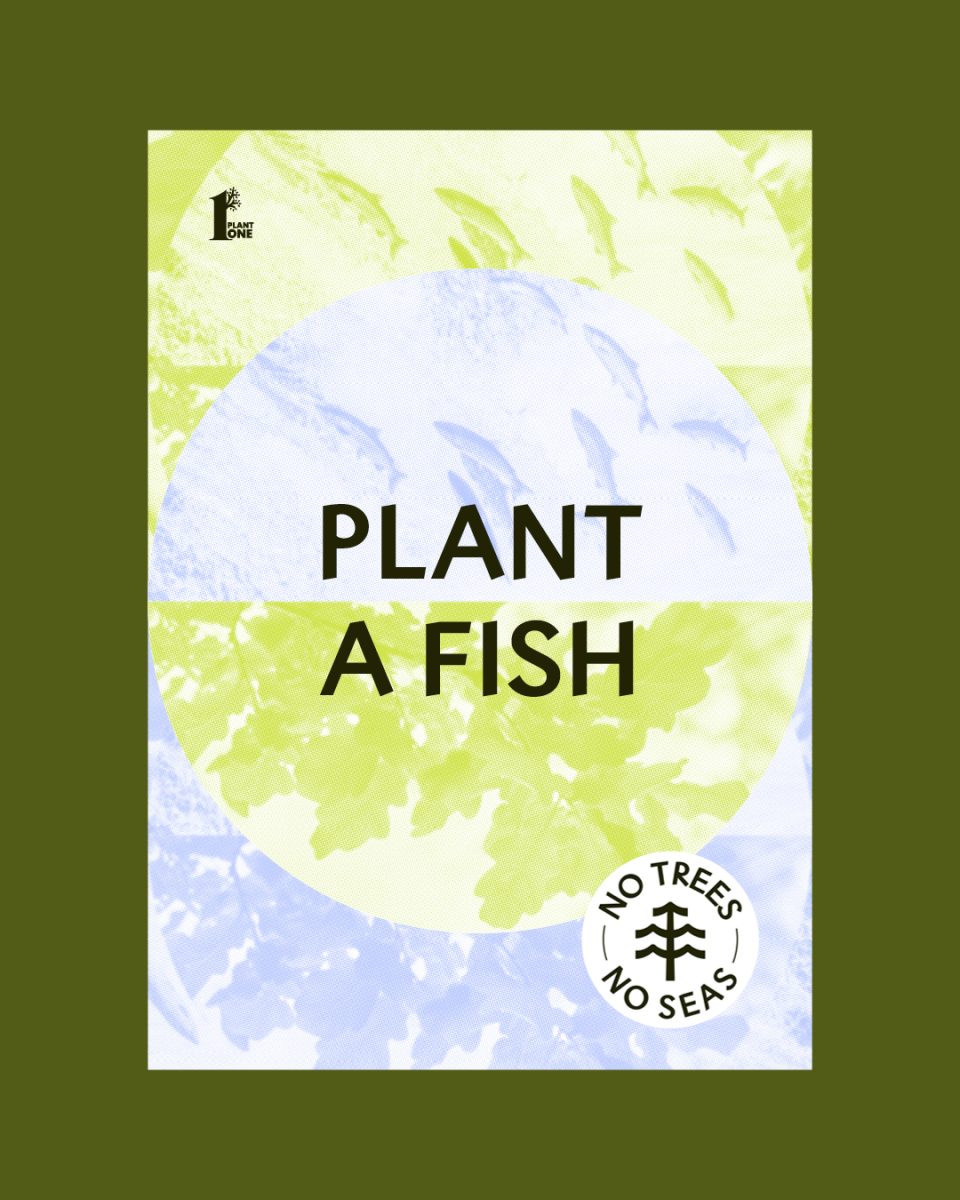
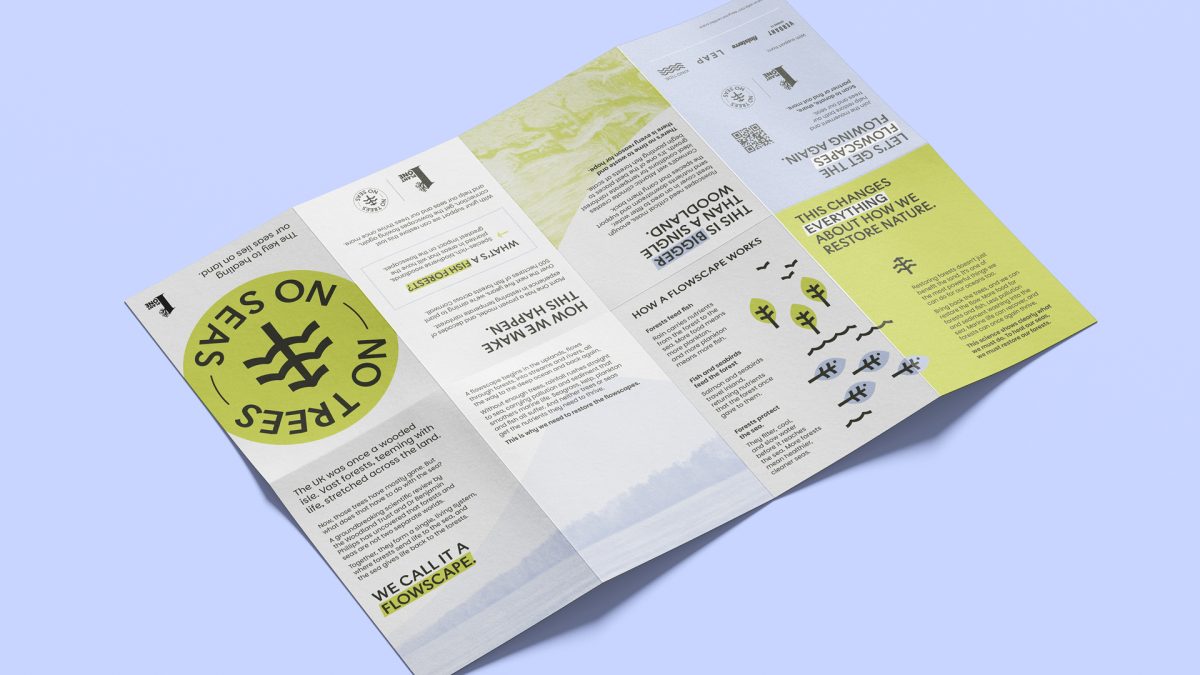
- Printed materials like zines, posters, merch and digital campaign assets
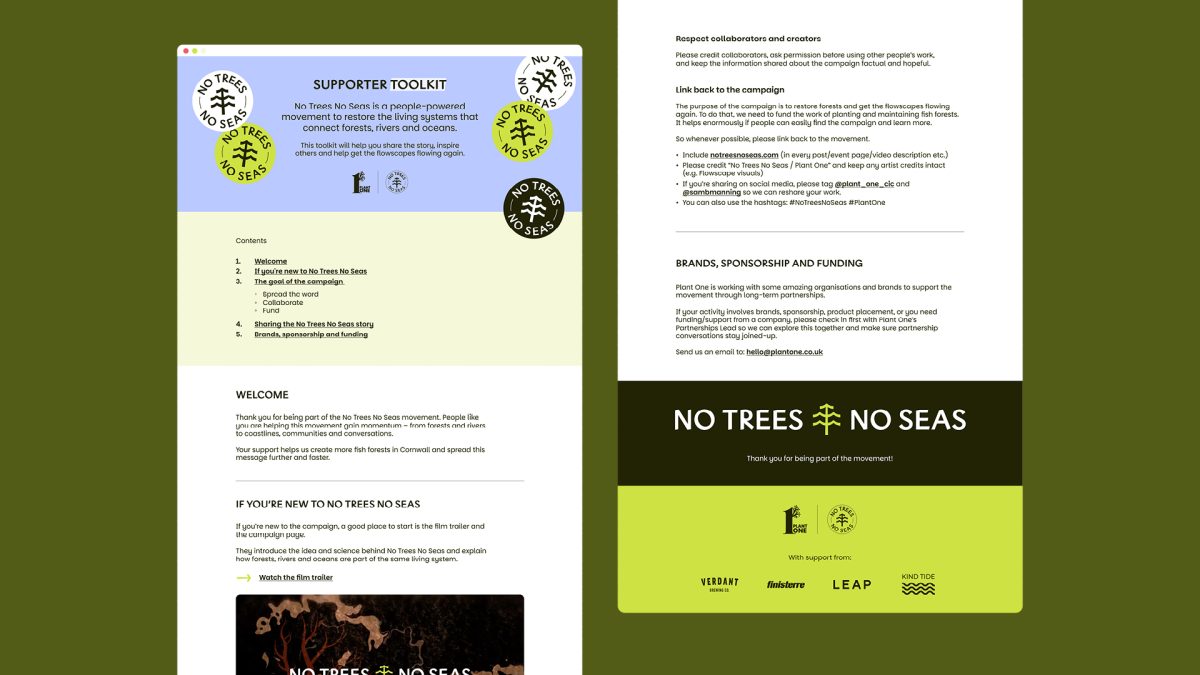
- Decks and toolkits for the team, partners and supporters
- Social content to help the idea spread
It’s not so much a traditional awareness campaign as something people can pick up and make their own. A web/mycelium network/set of tentacles – or whatever nature simile you prefer – designed to morph and spread on its own.
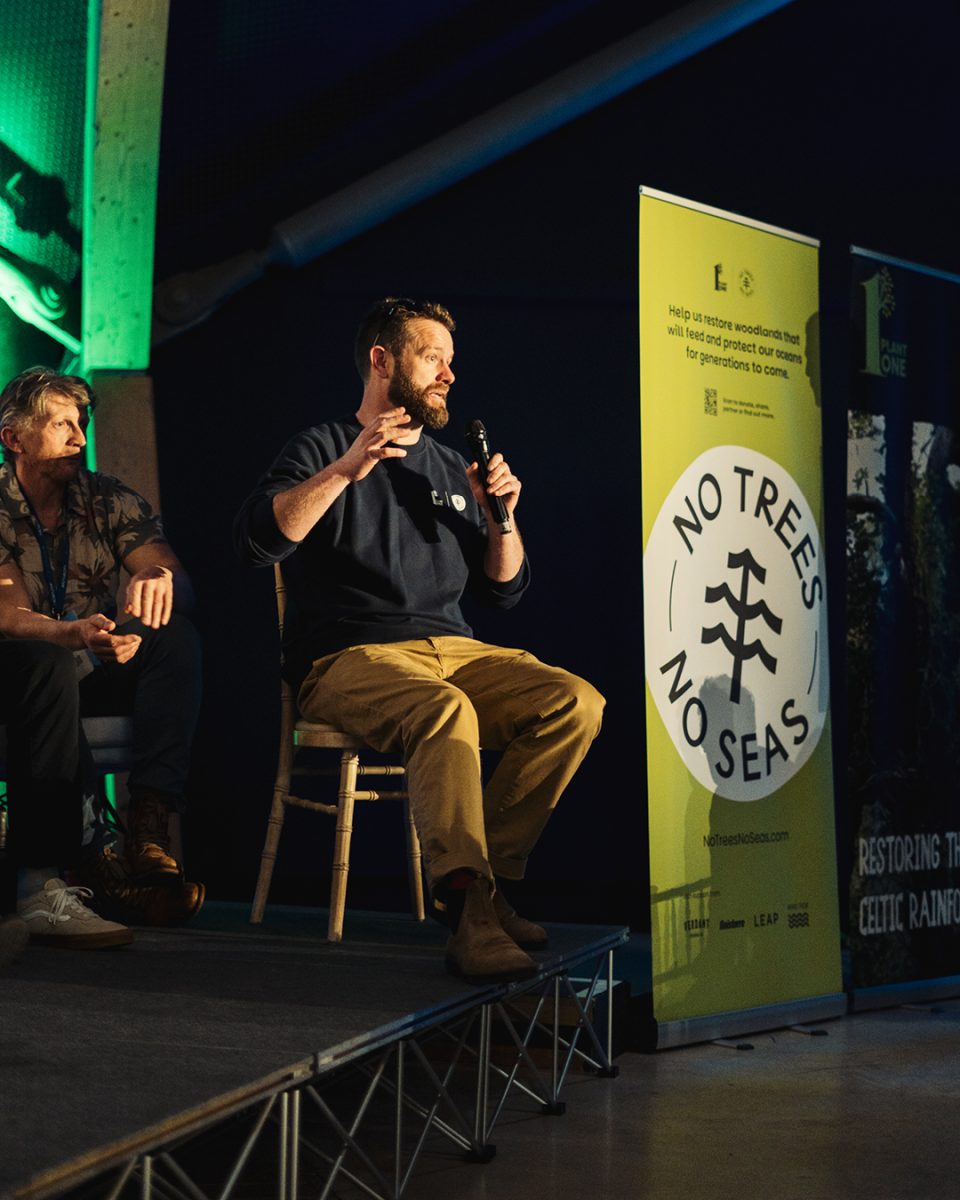
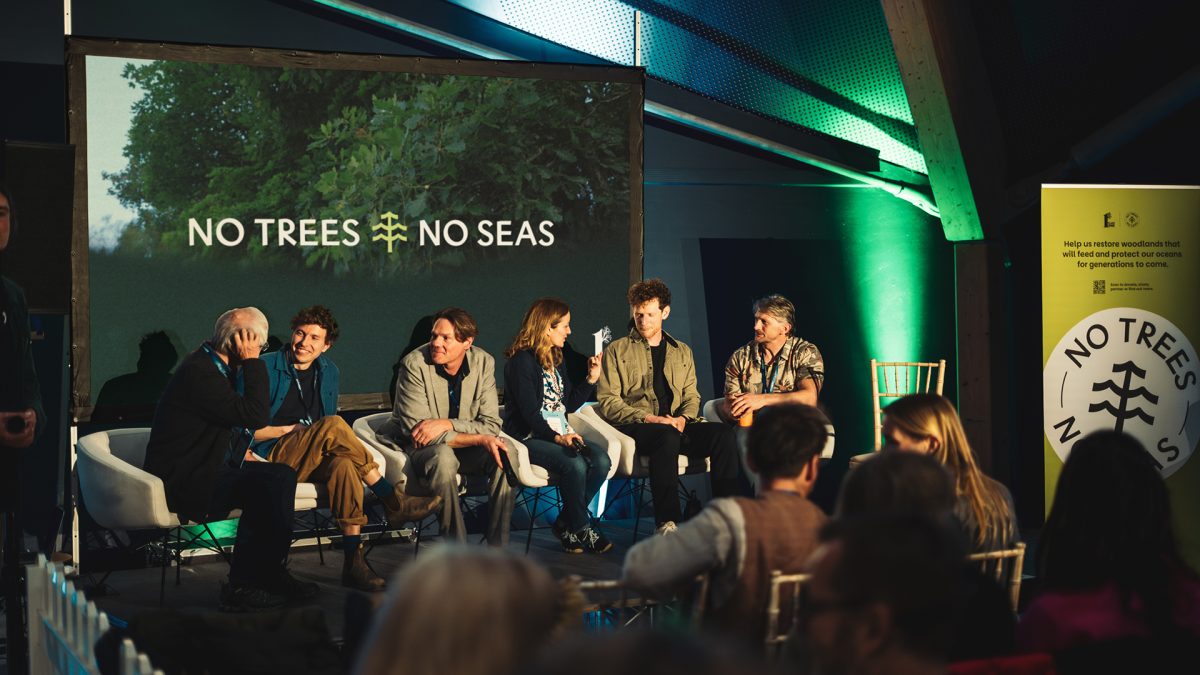
Our Camilla even made a No Trees No Seas hat to capture attention and curiosity at in-person events. Olivia the Octo-Stump became the talk of the town at this spring’s sustainability events.
Event photography: Jasper Abel
Design inspiration
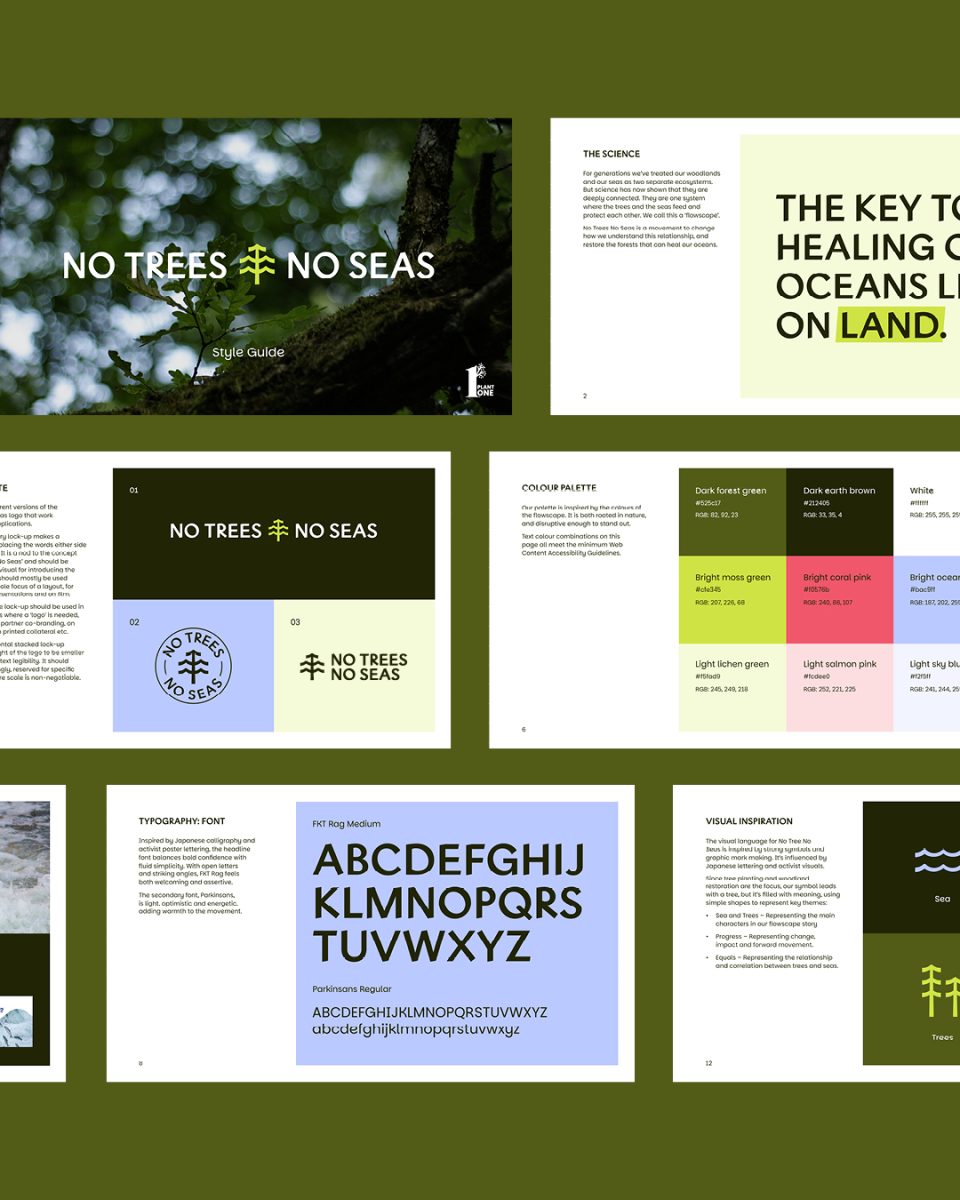
The No Trees No Seas design system needed to be bold and easy to recognise, drawing inspiration from activist visual language without feeling like a protest movement. It’s about sharing science and solutions, so the visual direction had to feel warm and credible, as well as punchy.
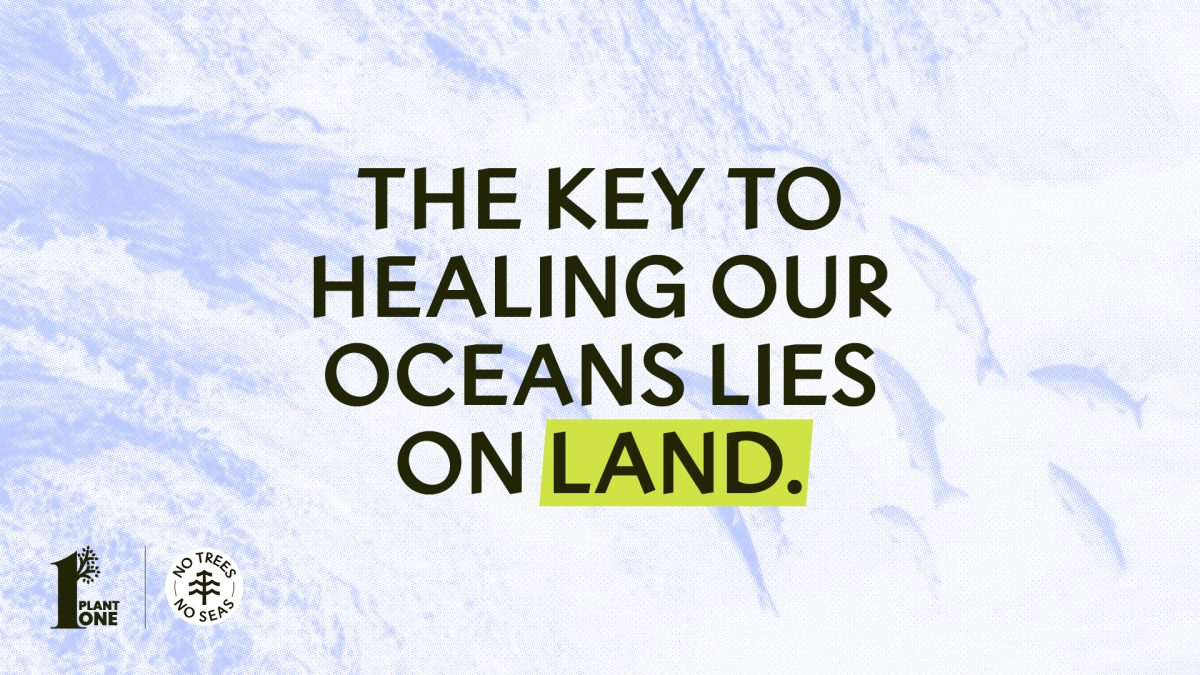
A big part of that was creating a symbol that could become shorthand for the movement. Something simple enough to draw in the sand with a stick, but meaningful enough to inspire and engage.
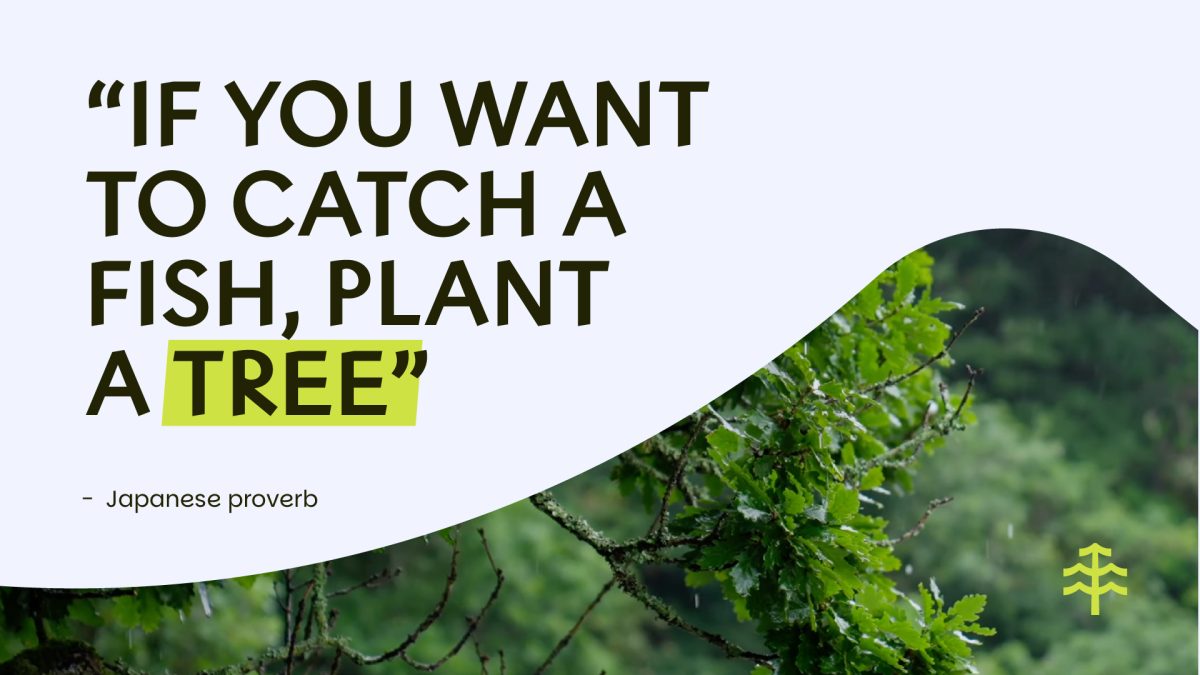
To balance the bold activist feel, we drew inspiration from the colours and forms of the flowscape. The research paper that inspired the science behind the project came from Japan, and in a nod to that, we used typography inspired by Japanese calligraphy.
The impact
Plant One is now working to restore 500 hectares of “fish forests” across Cornwall over the next five years.
The movement launched with a documentary premiere at Anthropy, with screenings happening across the UK.
In the first three months, over 1,500 people have engaged through live events up and down the country, supported by tens of thousands of people voicing their support online. Three corporate top tier Flowscape Partners have come onboard to support the project financially since the launch as well as many individual donors.
But the real impact is the shift in thinking. Restoring forests might be one of the most powerful things we can do for our oceans. We need to treat nature as one connected system to bring conservation efforts out of their silos.